 Facebook
  Instagram
  Twitter
  Youtube
  Pinterest
  Motorious
  LinkedIn
At first glance, a restored Bronco can look finished long before it is complete. Fresh paint, new trim, modern hardware. From the outside, the difference between a hand-built vehicle and an assembly-line build is not always obvious.
The distinction lives beneath the surface.
Assembly-line thinking is rooted in repetition. It prioritizes standardization, quality, and predictability. In manufacturing, that approach makes sense. Parts are designed to fit every time, tolerances are fixed, and the goal is consistency at scale.
Classic Broncos were never built for that world.
No two vintage Broncos are truly identical. Years of use, repairs, climate exposure, and production-era quirks mean every vehicle arrives with its own geometry and personality. Treating them as interchangeable is where restoration starts to lose its way.
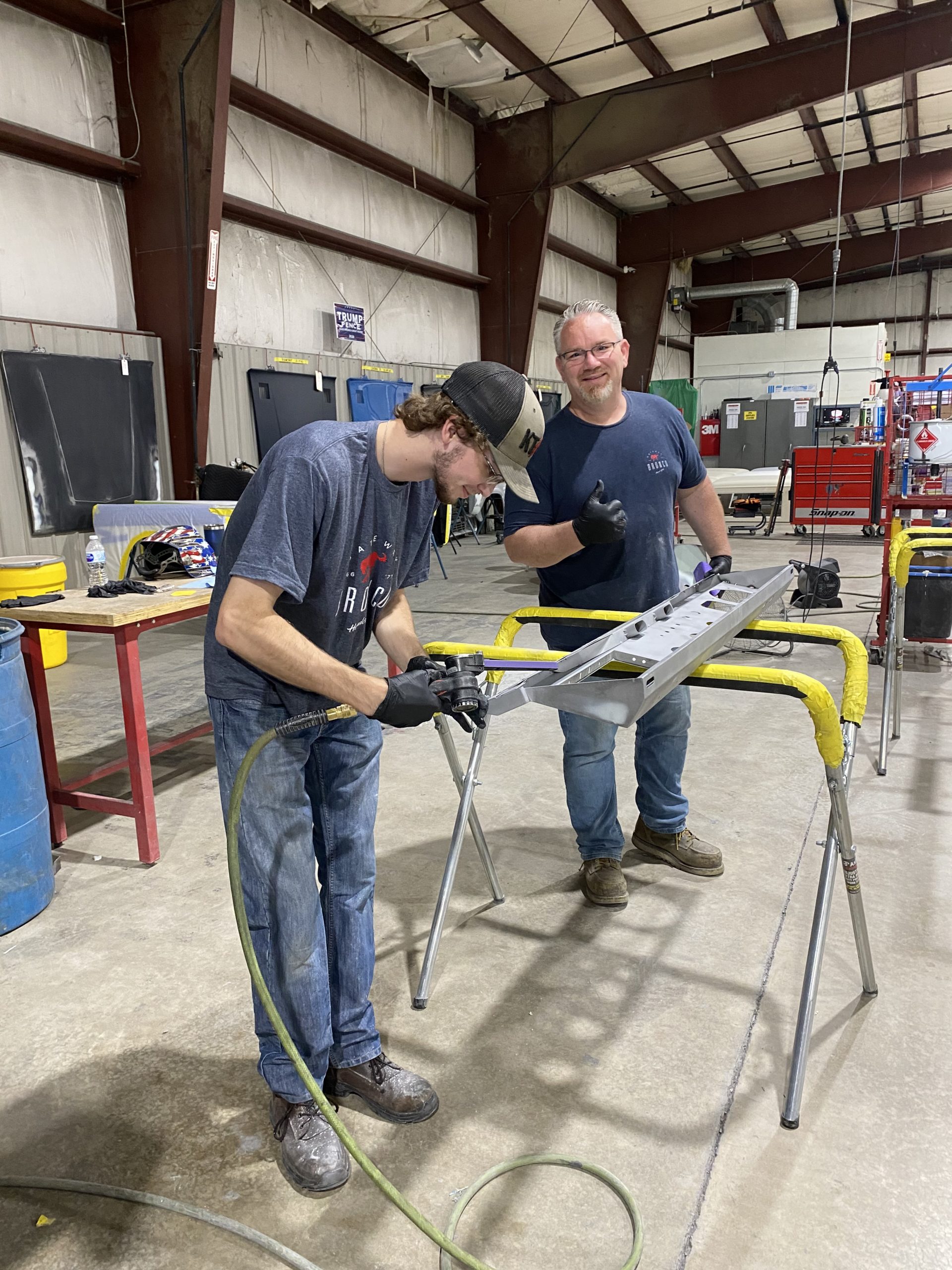
Hand-built restoration begins with acceptance of that reality.
Instead of forcing parts to fit, the vehicle is studied until the fit makes sense. Panels are aligned by eye and measurement, not just by jig. Mounting points are corrected, not compensated for. Solutions are developed for the vehicle in front of the builder, not pulled from a preset formula.
This mindset slows things down, intentionally.
Assembly-line thinking asks, “How can we do this faster next time?”
Hand-built thinking asks, “What does this Bronco need to be exceptional?”
The difference shows up in subtle places. Door gaps that feel intentional instead of tolerated. Body lines that flow naturally rather than appearing acceptable only from a distance. Components that work together because they were adjusted to do so, not because they were assumed to.
There is also a human element that cannot be automated. Skilled builders develop an instinct for these vehicles. They recognize when something feels off even if measurements say otherwise. That instinct comes from years of repetition paired with accountability, not from process charts.
Hand-built does not mean inconsistent. It means deliberate.
Every decision is documented, evaluated, and revisited when necessary. Standards still exist, but they are applied with sound judgment rather than blind adherence. That balance is what allows craftsmanship to coexist with modern reliability.
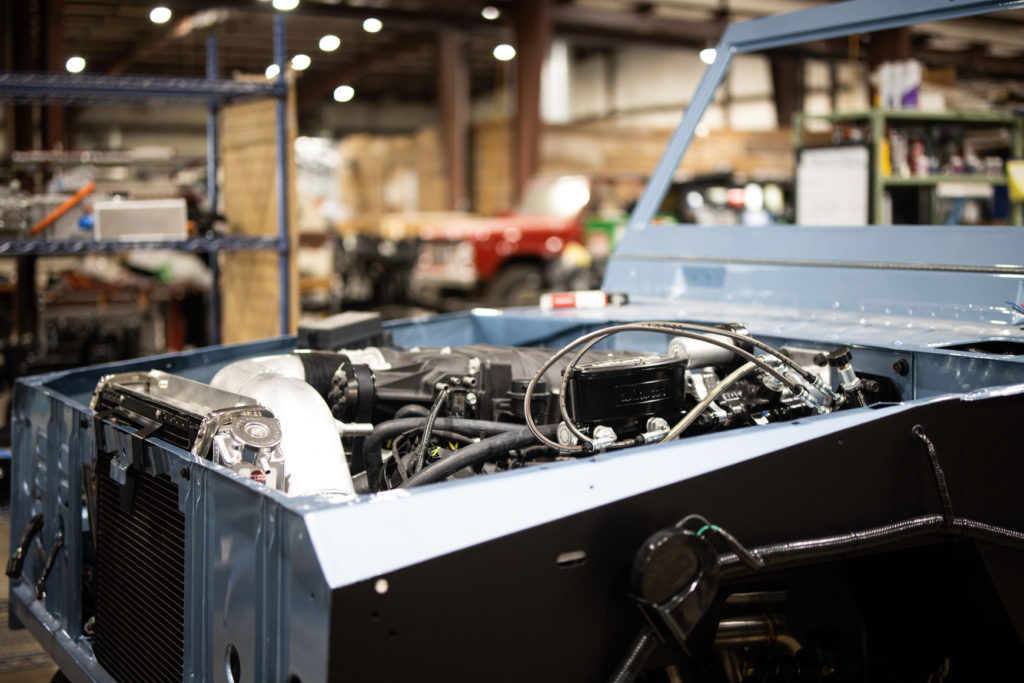
Assembly-line thinking tends to hide problems by moving past them quickly. Hand-built restoration confronts them early. It addresses root causes instead of symptoms. That approach protects the integrity of the build long after it leaves the shop.
For the owner, the difference is felt more than seen. The Bronco drives with cohesion. Panels remain aligned over time. Systems work together instead of tolerating each other. The vehicle feels finished in a way that does not fade with familiarity.
In the end, restoring a classic Bronco is not about recreating a factory process. It is about respecting a machine that was never meant to be treated like a modern commodity.
Hand-built restoration does not chase volume. It chases precision.
That philosophy may not scale easily, but it endures. And in a vehicle that is meant to be kept, driven, and passed down, endurance is the point.
Subscribe to our Newsletter!
Stay up to date with our latest builds, For Sale Inventory and more.
I agree to receive recurring marketing text messages from Gateway Bronco at the number provided, including offers, updates, and reminders. Message and data rates may apply. Message frequency varies. Reply STOP to unsubscribe. Consent is not a condition of purchase. See our Privacy Policy and Terms.