 Facebook
  Instagram
  Twitter
  Youtube
  Pinterest
  Motorious
  LinkedIn
The lasting appeal of the Original Bronco is both nostalgic and intentional. From the beginning, it was a vehicle designed with a clear purpose and minimal compromise. That purpose carried it through its earliest generations and continues to define why it still holds relevance today.
When the Bronco debuted in August 1965, it entered a market dominated by utilitarian off-road vehicles. Rather than chasing size or luxury, the first-generation Bronco took a different approach. It was compact, maneuverable, and mechanically straightforward. Built on a simple ladder frame with solid axles on the front and rear, it prioritized durability and ease of service over refinement.
This first generation, produced from 1966 to 1977, established the Bronco’s identity. Short wheelbases, upright glass, and tight overhangs gave it excellent trail visibility and approach angles. Engines were modest by modern standards, but torque delivery and gearing were well suited for slow, controlled driving. Everything about the vehicle felt intentional.
What mattered most was trust. Owners knew what the Bronco could handle because they felt directly connected to it. Steering was manual. Controls were mechanical. Feedback was immediate. There was little separation between driver and machine, and that connection fostered confidence.
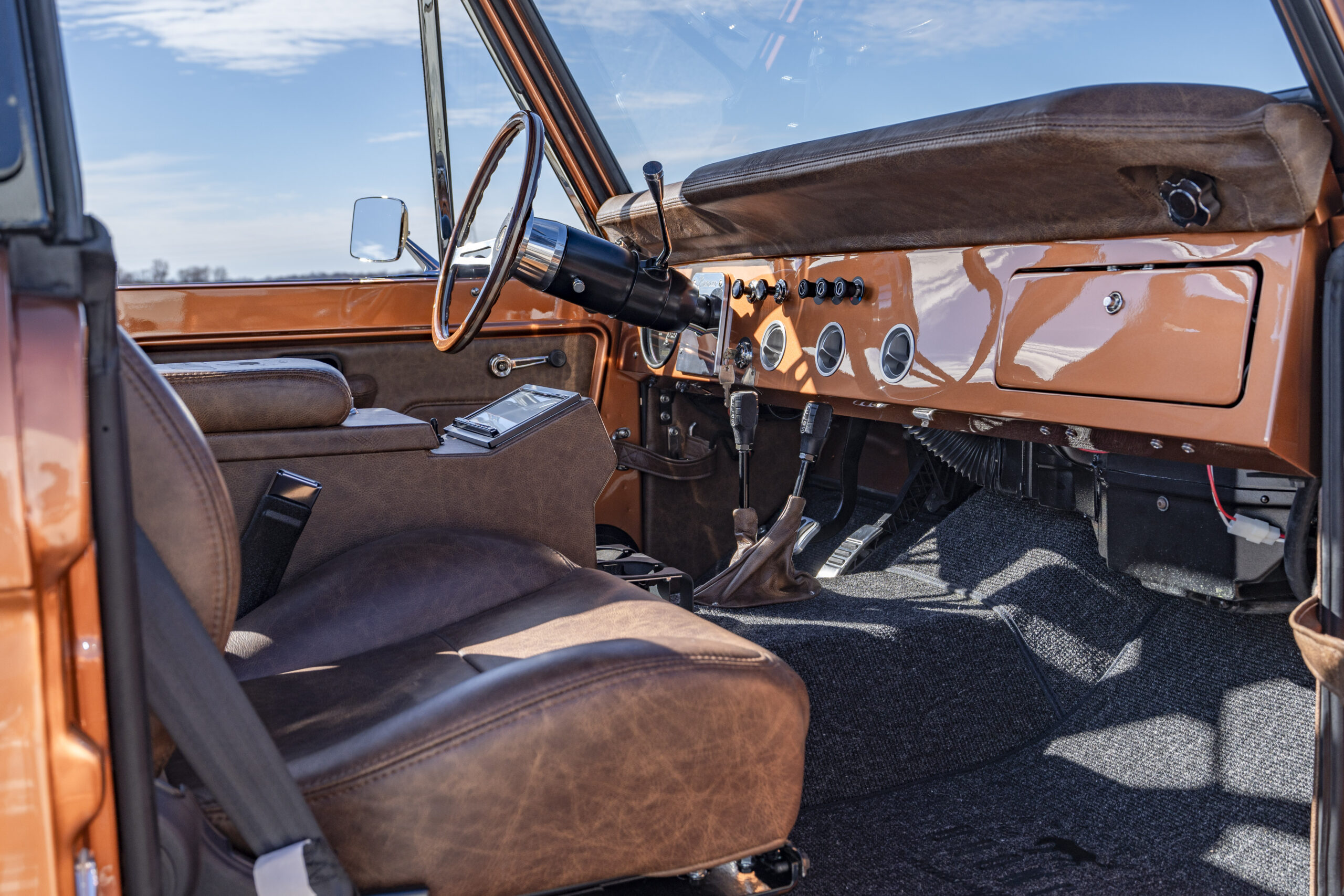
The transition to the second generation in 1978 marked a significant shift, but not a departure. The second-generation Bronco grew in size and adopted a full-size platform, aligning more closely with changing consumer expectations and broader automotive trends. It shared more architecture with Ford’s truck lineup, gaining interior space, improved ride comfort, and increased towing capability.
As the years progressed, the Vintage Bronco evolved without losing its core character. Subtle refinements improved comfort and usability, but the vehicle never drifted far from its original mission. It remained a tool first, adaptable enough to serve on ranches, construction sites, and trails, while still being approachable as a daily driver.
The second generation preserved body-on-frame construction and four-wheel-drive capability, while embracing a more versatile role. It reflected an era when off-road vehicles were beginning to balance work, recreation, and family use. This evolution allowed the Bronco to stay relevant without abandoning its roots.
That ability to adapt without losing identity is a key reason the Original Bronco continues to resonate. The first generation appeals to purists drawn to its simplicity and proportions. The second generation speaks to those who appreciate added practicality without sacrificing capability. Together, they represent a clear progression rather than a reinvention.
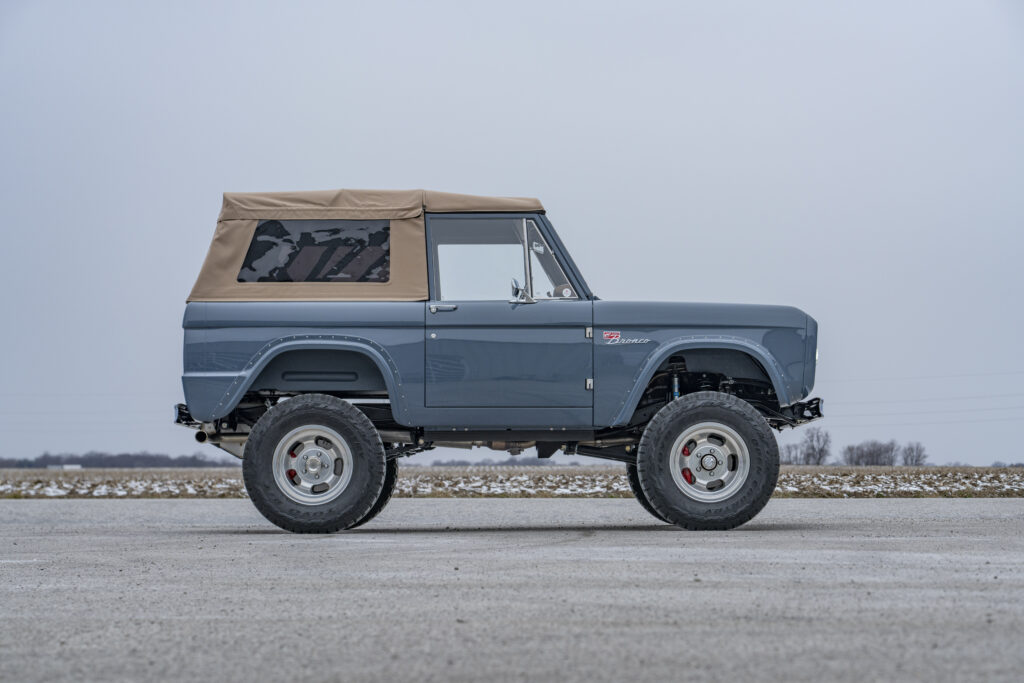
Another factor in the Bronco’s enduring appeal is its mechanical honesty. These vehicles were designed to be maintained, repaired, and improved. Systems were accessible. Components were robust. Owners were expected to engage with their vehicles rather than replace them at the first sign of wear. That expectation created longevity.
Behind this philosophy was Ford Motor Company, operating in a period when utility vehicles were engineered to endure real-world use. The Bronco emerged as a product of that mindset, shaped by practical needs rather than marketing trends.
Today, the Original Bronco stands as a reminder of what happens when a vehicle is built with restraint and clarity. Its appeal does not rely on novelty or reinvention. Instead, it rests on a foundation of thoughtful design, mechanical integrity, and purposeful evolution.
From the compact confidence of the first generation to the expanded versatility of the second, the Bronco earned its place through capability and consistency. That history is more than something to admire. It is the reason the Original Bronco still feels relevant, capable, and worth preserving.
Subscribe to our Newsletter!
Stay up to date with our latest builds, For Sale Inventory and more.
I agree to receive recurring marketing text messages from Gateway Bronco at the number provided, including offers, updates, and reminders. Message and data rates may apply. Message frequency varies. Reply STOP to unsubscribe. Consent is not a condition of purchase. See our Privacy Policy and Terms.